
Dealing with mold can feel overwhelming, but knowing what to look for and what to do makes a big difference. Here are the main points to remember about signs of mold in your home:
Key Takeaways
- A persistent musty smell is often the first sign of mold, even if you can’t see it.
- Look for visible mold growth, water stains, and discoloration on surfaces like walls, ceilings, and grout.
- Warping, bubbling, or buckling materials in your home can indicate hidden moisture and potential mold.
- Health symptoms like respiratory issues, skin irritation, headaches, or fatigue that improve when you leave home are linked to mold exposure.
- For large mold issues, suspected black mold, or mold after water damage, it’s best to call professional mold remediation specialists.
Recognizing the signs of mold in your home
We all want our homes to be safe and comfortable, but sometimes, unwelcome guests like mold can sneak in. Spotting mold early is key to preventing bigger problems down the line. It’s not always obvious, but there are definite signs to look out for.
The persistent musty odor
This is often the first clue that something’s not right. If you walk into a room and catch a whiff of a damp, earthy, or musty smell that just won’t go away, even after airing the place out, it’s a strong indicator of mold. This smell comes from gases mold releases, and it tends to get worse when your HVAC system or swamp cooler kicks on because it circulates the air. It’s not just a closed-up smell; it’s a persistent one that tells you mold might be actively growing somewhere.
Visible mold growth
Sometimes, mold makes itself known visually. You might see spots or patches that are black, green, white, orange, or brown. These can pop up in places like bathroom grout and caulk, around window frames where condensation can form, or even in ceiling corners. Don’t just focus on the color, though; dark mold isn’t necessarily worse than light-colored mold. The important thing is that you’re seeing growth, which means there’s moisture present. This visible mold is often just the tip of the iceberg, with more hidden growth nearby.
Water stains and discoloration
See any yellow, brown, or rust-colored marks on your walls, ceilings, or around windows? That’s a sign that water has been there. In Las Vegas, this could be from a leaky roof, issues with window seals, or even a slow drip from your swamp cooler. Even if the stain looks old and dry, the path the water took could still be a place where mold is growing, especially in the wall cavity behind the stain. Fresh stains appearing after rain or AC use are a clear sign of active moisture intrusion that needs immediate attention to prevent mold growth.
It’s important to remember that mold thrives in damp environments. Even in a dry climate like Las Vegas, hidden moisture sources can create the perfect breeding ground for mold. Addressing any signs of water intrusion promptly is the best way to keep your home healthy.
Understanding mold’s impact on your property
Mold isn’t just an eyesore; it can actually start to break down the materials in your home. We’ve seen it happen. When moisture lingers, especially in a dry climate like ours where materials can expand and contract a lot, things start to go wrong.
Warping, bubbling, and buckling materials
This is one of the first physical signs that something’s up. Drywall might start to bubble or feel soft if it’s soaked up water from behind. Flooring can lift or warp, and paint can peel away from the walls. These aren’t just cosmetic issues; they’re indicators that moisture has been present long enough to cause damage. Sometimes, a pipe might have been fixed months ago, but the moisture trapped inside the wall kept working its way out, causing the drywall to warp even after the leak was stopped. It’s like a hidden problem that keeps on giving.
Hidden moisture sources
This is where things get tricky. Mold loves to hide. It can be inside your walls, under floors, or in your attic. You might not see it, but it’s there, feeding on whatever organic material it can find. Leaks from plumbing, especially slab leaks common in older homes, or even condensation from your HVAC system can create these hidden pockets of dampness. We often find that the initial water damage was fixed, but the moisture left behind continued to cause problems, leading to mold growth that wasn’t immediately obvious. It’s why immediate water extraction and drying are so important after any water event.
Damage to porous materials
Materials like drywall, insulation, carpet, and wood are porous, meaning they can soak up moisture and provide a food source for mold. Once mold gets into these materials, it can be really hard to get out. Often, the best course of action is to remove and replace the affected items entirely. Non-porous surfaces like tile or metal can usually be cleaned and disinfected, but anything that has absorbed water and is damaged by mold needs to be dealt with carefully. Trying to clean heavily contaminated porous materials might not be enough to get rid of the problem for good, and that’s where professional help becomes necessary. For serious issues, companies like Pinpoint Property Services can handle the complex removal and restoration.
Health symptoms linked to mold exposure
We often don’t think about how the air we breathe inside our homes can affect our health, but mold can be a real culprit. When mold spores become airborne, they can trigger a variety of reactions in our bodies. It’s important to recognize these signs so we can address the problem promptly.
Respiratory issues and allergies
For many of us, mold exposure means dealing with allergy-like symptoms. This can include sneezing, a runny nose, itchy or watery eyes, and a persistent cough. If you have asthma, mold can be a serious trigger, leading to wheezing, chest tightness, and difficulty breathing. It’s like having constant hay fever, but it’s happening right inside your house. These allergic reactions to mold are quite common.
Skin irritation and rashes
Sometimes, mold doesn’t just affect our breathing; it can also cause skin problems. Direct contact with mold, or even just being in an environment with high spore counts, can lead to skin irritation. We might notice redness, itching, or even develop rashes. It’s not always obvious that mold is the cause, especially if the symptoms appear gradually.
Headaches and fatigue
Beyond the more obvious allergy and skin issues, mold exposure can also contribute to more general feelings of unwellness. Some people report experiencing frequent headaches or a general sense of fatigue when mold is present in their home. If you notice that these symptoms seem to improve when you leave the house and return when you come back, it’s a strong indicator that something in your home environment might be the cause. This pattern is a significant warning sign that warrants further investigation into potential mold issues. If you’re dealing with persistent symptoms like these, it might be time to consider a professional mold inspection.
Common areas for mold growth in Las Vegas homes
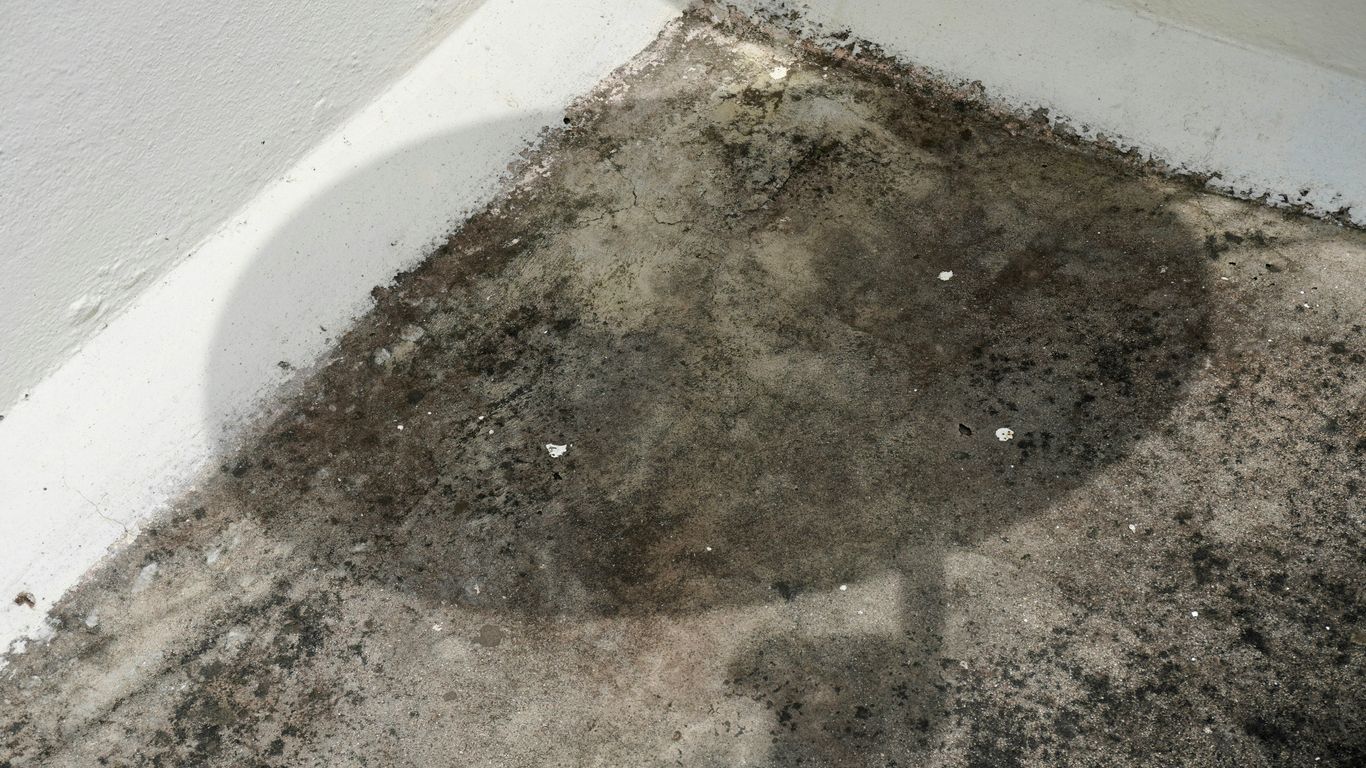
We often think of mold as something that only happens in damp, dark basements, but it can pop up in some surprising places around our Las Vegas homes. Knowing where to look is half the battle.
Bathroom grout and caulk
This is probably the most common spot. All that steam from showers and baths creates a perfect environment for mold to grow, especially in the dark, moist areas where grout meets tile or around the edges of your tub and sink where caulk is applied. If you see black or greenish spots, that’s a pretty good indicator. We usually just wipe it down, but if it’s really set in, it can be tough to get rid of completely without professional help.
Around window frames
Condensation is the culprit here. Even in our dry climate, temperature changes can cause moisture to build up around window frames, especially if the seals aren’t what they used to be. This moisture can seep into the wood or drywall, creating a food source for mold. Keep an eye out for any discoloration or peeling paint around your windows.
Ceiling corners and walls
This might seem less obvious, but mold can grow in ceiling corners and along walls, particularly if there’s been any roof leaks or issues with attic ventilation. Flat roofs, common in some Las Vegas neighborhoods, can be prone to leaks if not maintained. Water can travel down inside the walls, and by the time you see a stain on the ceiling, mold might already be thriving behind the drywall. It’s a good idea to check these areas after any significant rain, even though it’s not that frequent here.
Mold loves moisture, and while Las Vegas is known for being dry, hidden water sources are more common than you might think. Leaky pipes, AC condensation, and even over-watering plants can contribute to mold growth in unexpected places. Addressing any water intrusion promptly is key to preventing bigger problems down the line.
Here are some other spots to keep an eye on:
- Under sinks: Both kitchen and bathroom sinks can develop leaks or experience condensation that leads to mold.
- Near swamp coolers: These units introduce moisture into the air, and if the pads aren’t maintained, they can become breeding grounds for mold. You might notice a musty smell when the cooler is running.
- Behind appliances: Refrigerators with ice makers, dishwashers, and washing machines can all have water connections that might leak over time.
If you’re seeing these signs, it’s time to investigate further. For more serious issues, especially if you suspect mold is spreading, it’s best to get a professional assessment from a company like Pinpoint Property Services. They can help identify the extent of the problem and recommend the right course of action.
HVAC systems and mold concerns
Our heating, ventilation, and air conditioning (HVAC) systems, including swamp coolers and central AC units, can unfortunately become breeding grounds for mold if not properly maintained. This is especially true in a climate like Las Vegas, where these systems work overtime.
Swamp cooler pad maintenance
Swamp coolers, common in our desert homes, can create a direct pathway for mold spores to enter if the pads aren’t kept clean. When these pads stay wet for too long, they can develop colonies of mold like Cladosporium and Aspergillus. Every time the cooler kicks on, these spores get pushed through your ductwork and into your living spaces. If you notice a musty smell that seems to appear only when the swamp cooler is running, this is a very likely culprit.
Central AC coil and drain pan cleaning
Central air conditioning systems can also harbor mold, particularly on the evaporator coils. These coils get wet during the cooling cycle, and any organic material present can support mold growth. When mold takes hold on these coils, it can then be distributed throughout every room your AC system serves. It’s a good idea to have your coils cleaned and drain pan checked annually, as this is a maintenance task many homeowners tend to skip.
Mold spores spreading through ductwork
Regardless of the type of system, mold spores can travel through your ductwork. This means a small mold problem in one part of your HVAC system can quickly spread throughout your entire house. Regular inspection and cleaning of your HVAC system are key to preventing mold from taking root and circulating.
The dry desert air in Las Vegas can be deceiving. While we might not have the constant high humidity of coastal regions, condensation can still form within HVAC systems, especially around cooling coils and in drain pans. This moisture, combined with dust and organic debris, creates a perfect environment for mold to thrive. Ignoring these potential issues can lead to not only property damage but also significant health concerns for your family.
We recommend having your HVAC system inspected regularly. If you suspect mold is present, it’s best to get a professional assessment. They can identify the source and extent of the problem and recommend the right course of action. For more on identifying mold issues, check out our guide on common areas for mold growth.
Addressing mold after water damage
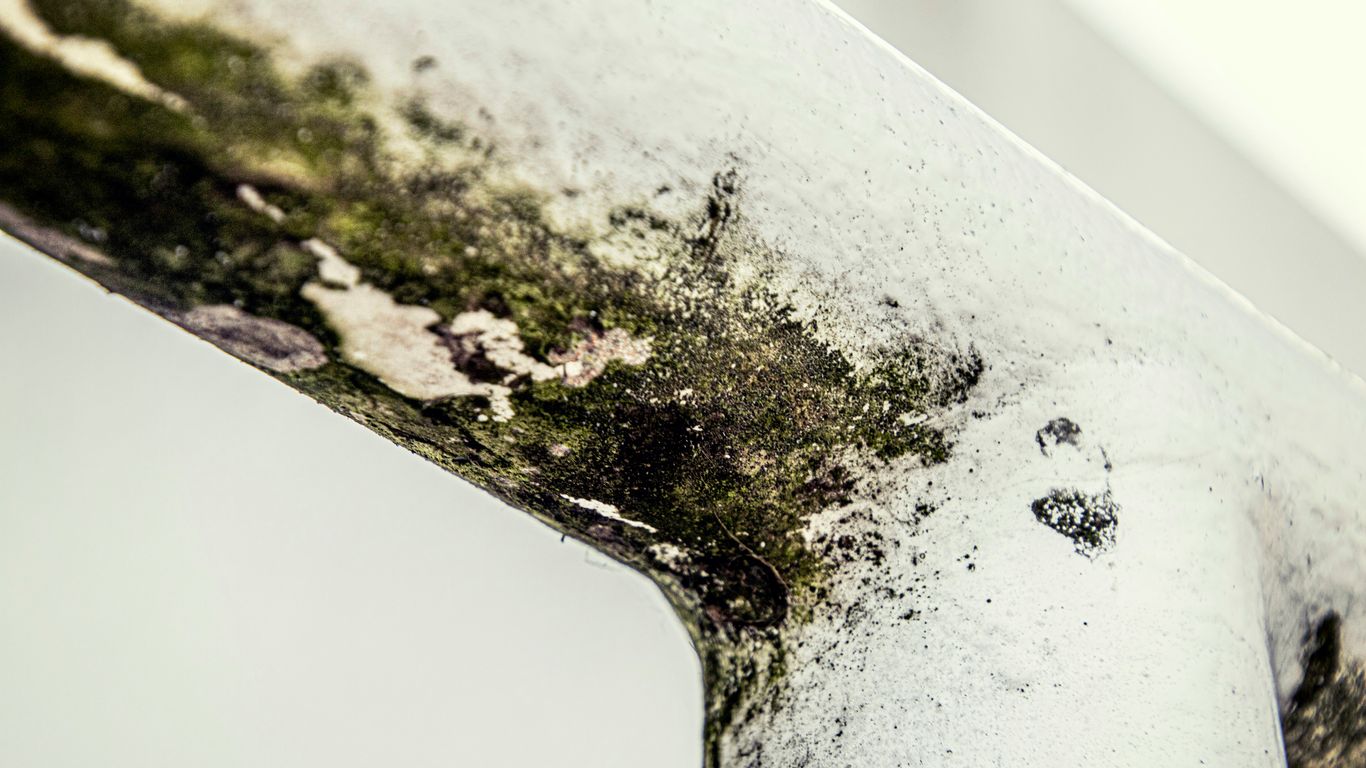
Water damage can happen to anyone, anytime. Whether it’s a leaky pipe, a sudden flood from a monsoon storm, or even a malfunctioning appliance, dealing with water in your home is never fun. But here’s the thing: water damage isn’t just about the mess. It’s a ticking clock for mold growth. If we don’t act fast, that water can create a whole new set of problems.
Immediate water extraction and drying
As soon as you notice water damage, the first and most important step is to get that water out and start drying everything. We’re talking about removing standing water and then using specialized equipment like industrial dehumidifiers and air movers to dry out carpets, walls, and even the stuff hidden inside them. The faster we can get things dry, the less chance mold has to take hold. This isn’t a job for towels and fans; it requires professional-grade tools to really get into the nooks and crannies. Getting professional water damage restoration quickly can make all the difference.
Preventing secondary mold growth
Once the immediate water is gone and drying is underway, we need to be super vigilant about preventing mold from showing up later. This means making sure everything is completely dry. We use moisture meters to check areas you can’t see, like inside walls or under flooring. If materials like drywall or carpet are too soaked and can’t be properly dried, they often need to be removed and replaced. It’s better to lose a bit of material than to have mold problems down the road.
Professional water damage restoration
Sometimes, water damage is more than just a little spill. When it’s extensive, or if you’re not sure you’ve gotten all the moisture, calling in the pros is the smartest move. Companies that specialize in water damage restoration have the equipment and the know-how to handle everything from initial water extraction to the final drying and cleanup. They can also assess if mold has already started to grow and take the necessary steps to deal with it. For situations involving significant water damage, especially in areas like North Las Vegas where monsoon storms can be intense, professional help is often needed to address issues from roofs to foundations.
Dealing with water damage promptly is key. It’s not just about cleaning up the visible water; it’s about preventing hidden moisture from causing bigger problems like mold and structural damage later on. We need to address the source of the water and ensure everything is thoroughly dried out.
The importance of professional mold inspection
Identifying hidden mold growth
Sometimes, mold isn’t obvious. You might not see it, but you could still smell that musty odor or notice weird stains. That’s where a professional inspection really comes in handy. They have special tools, like moisture meters and thermal cameras, that can find mold hiding behind walls or under floors. It’s not just about what’s visible; it’s about finding the source of the problem before it gets worse. We’ve seen cases where a small water stain on the ceiling was just the tip of the iceberg, with a much larger mold colony growing above.
Air sampling and testing
Seeing mold is one thing, but knowing how much is in the air is another. Professionals can take air samples to see if mold spores are floating around your home. This is super important because even if you clean up visible mold, if the air quality isn’t good, the problem can come back. They send these samples to a lab, and you get a report telling you what types of mold are present and at what levels. This helps us figure out the best way to tackle the issue and make sure your home is truly healthy again.
Assessing the full extent of contamination
Mold can spread surprisingly fast, and it doesn’t always stay in one spot. A professional inspection isn’t just about finding the mold you can see; it’s about understanding the whole picture. They’ll look at the extent of the damage, figure out what caused it in the first place, and determine which materials need to be removed or treated. This thorough assessment is key to making sure the mold is completely gone and won’t be a problem down the road. It’s better to get it right the first time, rather than dealing with recurring issues. For more on what to look for, check out signs of water damage.
Steps for effective mold remediation
Dealing with mold in your Las Vegas home can feel overwhelming, but a structured approach makes the process manageable. We break down the key steps to effectively tackle mold growth and restore a healthy environment.
Establishing Containment Zones
First things first, we need to stop the mold from spreading. This means creating a contained area around the affected spot. We use plastic sheeting to seal off the space, blocking any openings. Think of it like building a temporary, sealed-off room within your home. We also use special machines that create negative air pressure. This basically sucks the air into the contained zone, preventing any mold spores from escaping into other parts of your house. It’s a pretty important step to keep the problem from getting bigger.
Safe Removal of Moldy Materials
Once the area is contained, we can start removing the mold. If we’re dealing with materials that have soaked up a lot of moisture and can’t be fully cleaned, like drywall or carpet, they usually need to be removed. We’re careful during this process, often misting surfaces with water to keep dust and mold spores from becoming airborne. We avoid dry scraping or sanding, and we’re gentle when taking things apart. Anything removed is double-bagged and sealed tightly before being taken out of the work area. This prevents any lingering spores from hitching a ride to another part of your home.
Cleaning and Disinfecting Affected Areas
After the bulk of the mold is gone, we move on to cleaning and disinfecting. We use cleaning solutions to scrub down all surfaces, getting rid of any remaining mold and grime. It’s really important to get all the visible mold and dirt off first. Then, we can use a disinfectant. For surfaces that can’t be removed, like concrete or tile, this cleaning and disinfecting process is key to making them safe again. We make sure everything is thoroughly dried afterward, because mold needs moisture to grow. Controlling moisture is essential for managing mold, so addressing the water source is always part of the plan. Controlling moisture is the primary method for effective mold control.
It’s important to remember that even small areas of mold can be tricky. For anything larger than about 30 square feet, or if you suspect serious contamination, calling in professionals is usually the safest and most effective route. They have the specialized equipment and knowledge to handle it properly.
Preventing future mold issues
We all want to keep our homes healthy and free from mold. The good news is, a lot of mold prevention comes down to managing moisture and keeping things clean. It’s not always easy, especially here in Las Vegas with our unique climate, but it’s definitely doable.
Controlling Indoor Humidity Levels
This is a big one. High humidity is mold’s best friend. We need to keep our indoor humidity levels ideally between 30% and 50%. Too high, and you’re practically inviting mold to set up shop. Too low, and it can feel uncomfortable, plus it can dry out your skin and nasal passages. We can use a hygrometer, which is a small, inexpensive device, to measure the humidity in different rooms. If we find areas that are consistently too damp, we need to figure out why. Sometimes it’s just a matter of running the bathroom fan longer after a shower, or opening windows when the outside air is drier. Other times, it might point to a bigger issue, like a leaky pipe we didn’t know about.
- Use exhaust fans: Always run the fan in the bathroom during and after showers, and use the kitchen fan when cooking. Make sure they vent outside, not just into the attic.
- Dehumidifiers: In particularly damp areas like basements or laundry rooms, a dehumidifier can be a lifesaver. Just remember to empty it regularly.
- Air conditioning: Our AC units do a great job of removing moisture from the air, but they need to be maintained. Make sure the drain lines are clear and the coils are clean. A well-functioning AC is a key part of keeping humidity in check.
Ensuring Proper Ventilation
Good airflow helps prevent moisture from getting trapped in places where mold likes to grow. Think about those tight corners, closets, and behind furniture. We need to make sure air can circulate freely.
- Open windows: When the weather permits and the outdoor air isn’t too humid, opening windows for a few hours can really help air out the house.
- Furniture placement: Try not to push large furniture right up against walls, especially exterior ones. Leave a few inches of space for air to move.
- Closet doors: If you have closets that tend to feel damp or stuffy, consider leaving the doors ajar when possible.
Addressing Moisture Sources Promptly
This is probably the most important step. Mold needs moisture to grow, so finding and fixing leaks or sources of dampness is key. We can’t stress this enough: any mold cleanup that doesn’t address the underlying moisture problem is just a temporary fix.
- Fix leaks immediately: Whether it’s a leaky pipe under the sink, a roof leak, or a faulty appliance, get it repaired as soon as you notice it. Don’t wait.
- Dry wet areas thoroughly: If something gets wet, like a carpet after a spill or a wall after a minor leak, dry it out completely within 24-48 hours. If materials can’t be dried properly, especially porous ones like drywall or carpet, they might need to be removed and replaced. You can find resources on dealing with mold problems that go into more detail.
- Check for condensation: Keep an eye out for condensation on windows, pipes, or exterior walls. This is a sign that warm, moist air is hitting a cold surface, and it can lead to mold growth.
By being proactive about moisture control and ventilation, we create an environment that is much less hospitable to mold. It’s about consistent attention to the details that keep our homes healthy and safe for everyone.
When to call mold remediation professionals
Sometimes, mold can get out of hand pretty quickly, and that’s when we really need to bring in the pros. If you’re looking at a mold problem that’s bigger than a small patch, it’s probably time to call in the experts. We’re talking about areas larger than, say, a standard sheet of drywall. Trying to tackle that yourself can spread spores everywhere and make things way worse.
Large areas of mold growth
When mold covers a significant area, like several square feet, it’s a clear sign that professional help is needed. These larger infestations often mean the mold has penetrated deeper into building materials, and specialized equipment is required for safe and effective removal. We don’t want to just cover it up; we need to get to the root of it. For situations like this, it’s best to get a professional assessment to understand the full scope of the problem. They have the tools and knowledge to handle extensive mold removal without making the situation worse.
Suspected black mold
Black mold, or Stachybotrys chartarum, can be particularly concerning due to its potential health effects. While not all black mold is toxic, it’s often a sign of persistent moisture issues and can release mycotoxins. If you suspect you’re dealing with black mold, it’s wise to err on the side of caution. Don’t try to clean it yourself. Professionals have the protective gear and containment methods to deal with it safely. They can also help identify the underlying moisture problem that allowed it to grow in the first place, which is key to preventing its return. If you’re in the Las Vegas area and suspect black mold, reaching out to a mold remediation specialist is a smart move.
Mold after significant water damage
Major water damage events, like those from monsoon storms or burst pipes, create the perfect breeding ground for mold. Water can seep into walls, under floors, and into insulation, creating hidden moisture pockets where mold can thrive. If your home has experienced significant water intrusion, even if it seems to have dried out, mold can start growing within 24 to 48 hours. It’s crucial to address water damage immediately to prevent mold from taking hold. Professional water damage restoration services are equipped to extract water, dry out affected areas thoroughly using specialized equipment, and then perform mold remediation if necessary. This comprehensive approach helps protect your home from further damage and health risks. For immediate assistance after water damage, contacting a professional restoration company is highly recommended within hours of identifying water intrusion.
When mold growth covers more than 10 square feet, it’s generally recommended to bring in professionals. They have the specialized equipment and training to safely contain the mold, remove it effectively, and address the underlying moisture issues that caused it in the first place. Trying to handle large mold problems yourself can lead to spreading spores and potential health risks.
If you notice mold spreading in your home, it’s time to get professional help. Don’t wait for it to get worse. Reach out to us today to learn how we can make your home safe again.
Conclusion
Spotting mold early can save your home from serious damage and protect your family’s health. We’ve covered the key signs, from that lingering musty smell to visible spots and water damage. Remember, especially in a dry climate like Las Vegas, any persistent moisture is a red flag. Don’t ignore these warnings. If you suspect mold, especially if it’s a large area or you’re concerned about its type, calling in the pros is the safest bet. They have the tools and know-how to tackle it right the first time, making sure your home is healthy and safe again.
Frequently Asked Questions
What’s that weird smell in my house?
If your home has a persistent musty or damp smell that doesn’t go away when you open windows, it’s likely mold. This smell comes from gases mold releases, and it’s usually the first clue you’ll get, even before you see any mold.
Can I just wipe away mold I see?
For small spots, you might be able to clean them. But if the mold covers a large area (like more than a few square feet), or if it keeps coming back, it’s better to call a professional. Wiping it might just spread the spores or not get to the root of the problem.
Where does mold usually grow in Las Vegas homes?
Common spots include bathroom tiles and caulk, around windows where condensation forms, ceiling corners, and areas near sinks or where swamp coolers are. Basically, any place that might get damp is a potential spot.
Does mold affect my health?
Yes, it can. Mold can cause allergy-like symptoms, breathing problems, skin rashes, headaches, and make asthma worse. Some people are more sensitive to it than others.
What if I can’t see the mold, but I smell it?
If you smell mold but don’t see it, it’s probably hiding. It could be inside walls, under floors, or in your air vents. This is when a professional inspection is really important to find out where it’s hiding.
How does my AC system relate to mold?
Your AC system, especially swamp coolers common in Las Vegas, can spread mold if not cleaned properly. Dirty coils or pads can harbor mold and blow spores throughout your house every time the system runs.
What should I do after a water leak?
After a water leak, you need to dry everything out super fast, ideally within 24-48 hours. If you don’t, mold can start growing. For big leaks, professional water damage cleanup is the best way to make sure it’s dried properly and mold doesn’t start.
Is there a difference between regular mold and ‘black mold’?
While ‘black mold’ sounds scary, the color doesn’t always tell you how dangerous it is. Any mold can cause health problems. The important thing is to address any mold growth, regardless of its color, especially if it’s widespread or linked to moisture issues.
LOCAL. CERTIFIED. READY TO HELP.
Need Property Restoration or Cleanup in the Las Vegas Valley?
Whether it’s water damage, mold, asbestos, fire and smoke, or a biohazard situation, Pinpoint Property Services can help you understand the next step.
Contact Pinpoint Property Services Today for a Free Inspection:

